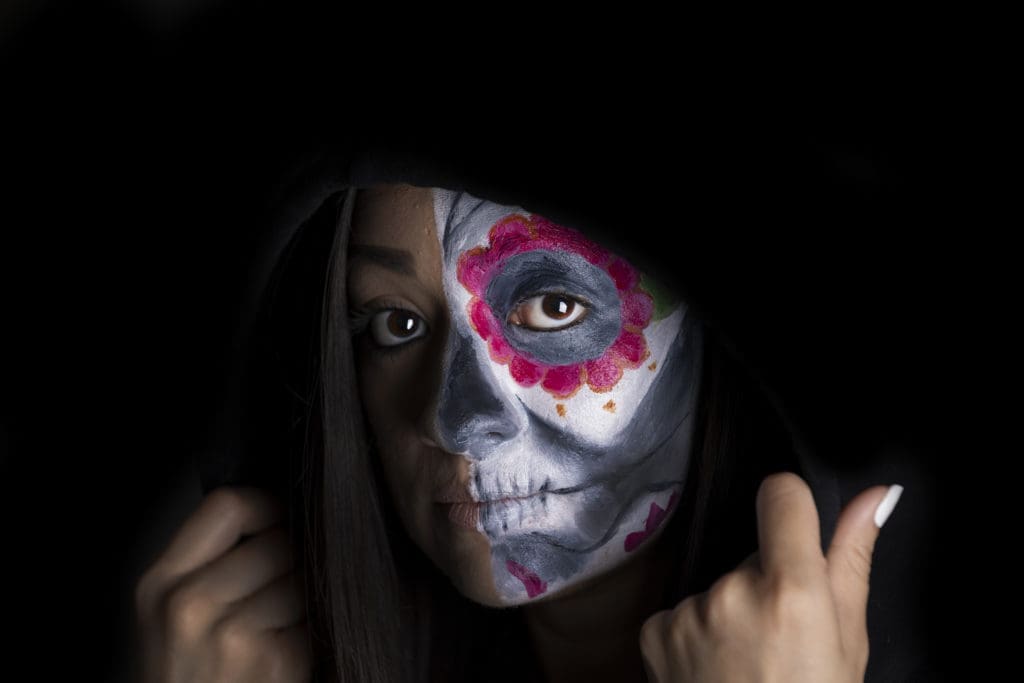
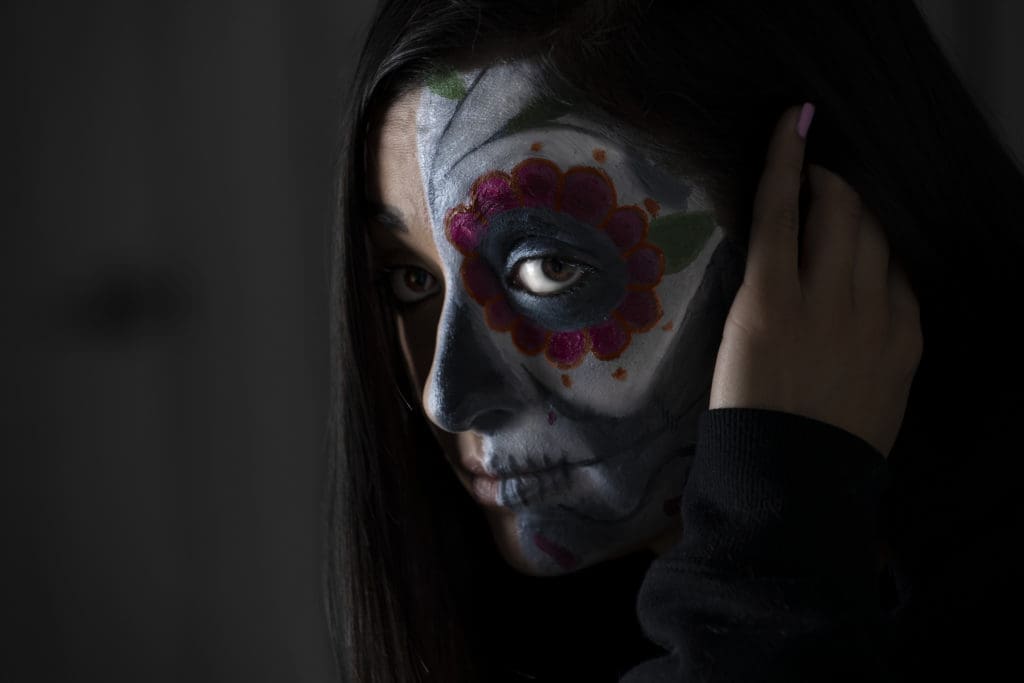
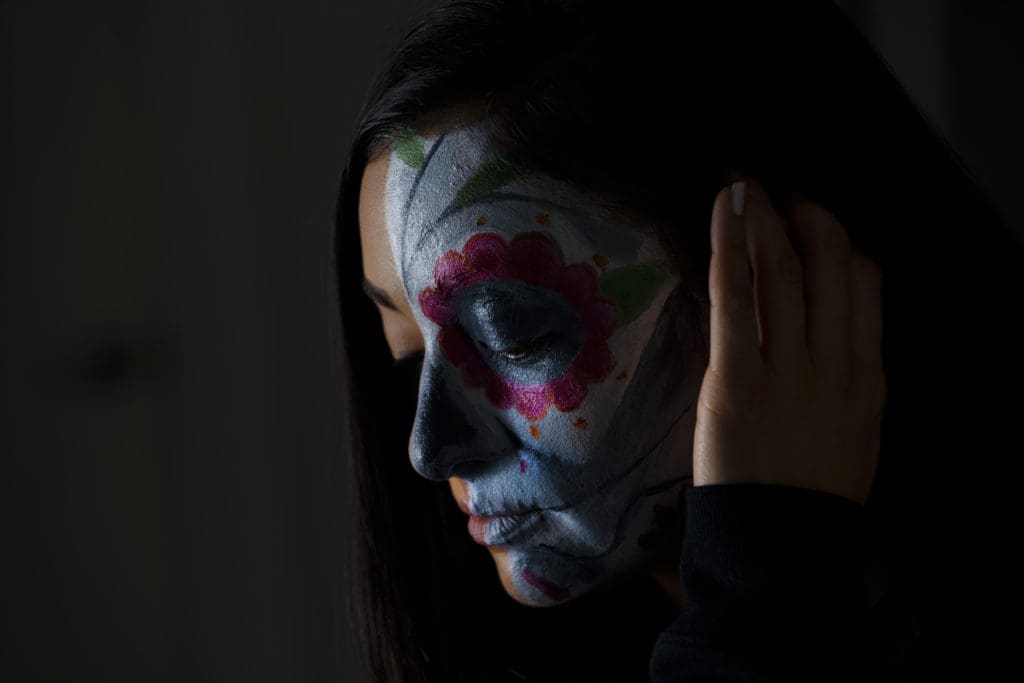
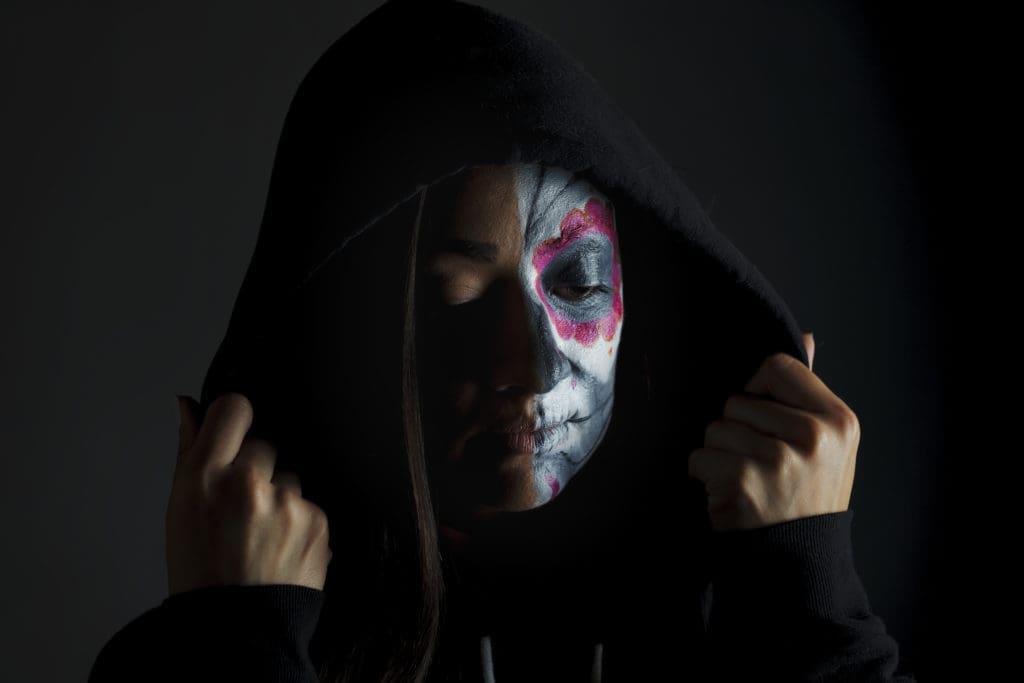
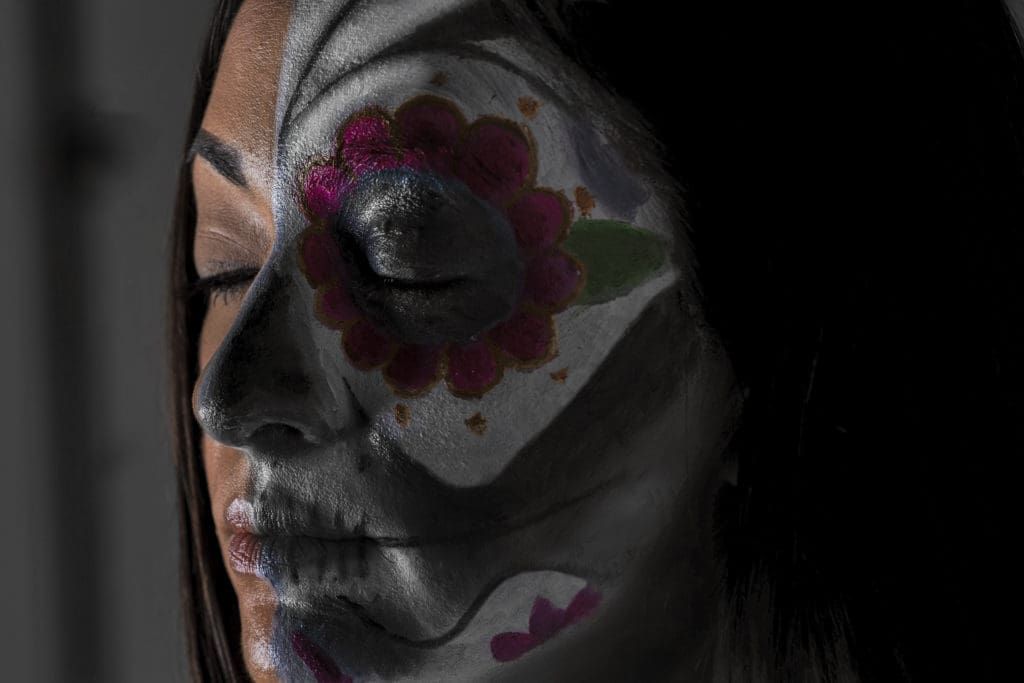






Sugar skulls and the Day of the Dead, also known as Día de los Muertos, are iconic symbols deeply rooted in Mexican culture and tradition. This vibrant and colorful celebration, which takes place on November 1st and 2nd, honors the lives of deceased loved ones and serves as a joyful remembrance of their existence.
The origins of the Day of the Dead can be traced back to pre-Columbian times when indigenous cultures in Mexico, such as the Aztecs and the Nahua people, practiced rituals to honor their ancestors. These rituals were later integrated with the Catholic traditions brought by the Spanish conquistadors during colonization, giving rise to the modern-day Día de los Muertos.
One of the most recognizable elements of this celebration is the sugar skull, or “calavera” in Spanish. Sugar skulls are intricately designed, colorful candies made from sugar paste and decorated with icing, beads, and other edible adornments. These skulls come in various sizes and are often personalized with the names of deceased family members, creating a tangible representation of the departed souls. They are typically placed on altars, along with offerings and mementos, to welcome the spirits back to the earthly realm for the duration of the celebration.
The Day of the Dead is not a mournful occasion but a joyous and festive one. Families and communities come together to create elaborate altars called “ofrendas” in their homes or at the gravesites of their loved ones. These ofrendas are adorned with marigolds, candles, incense, photographs, favorite foods, and beverages of the departed, all carefully arranged to create a welcoming environment for the souls.
During the celebration, people gather to share stories and memories of the deceased, honoring their lives and the impact they had on their families and communities. It is believed that during Día de los Muertos, the spirits of the departed return to the world of the living to be reunited with their loved ones, and the festivities help to guide them on their journey back.
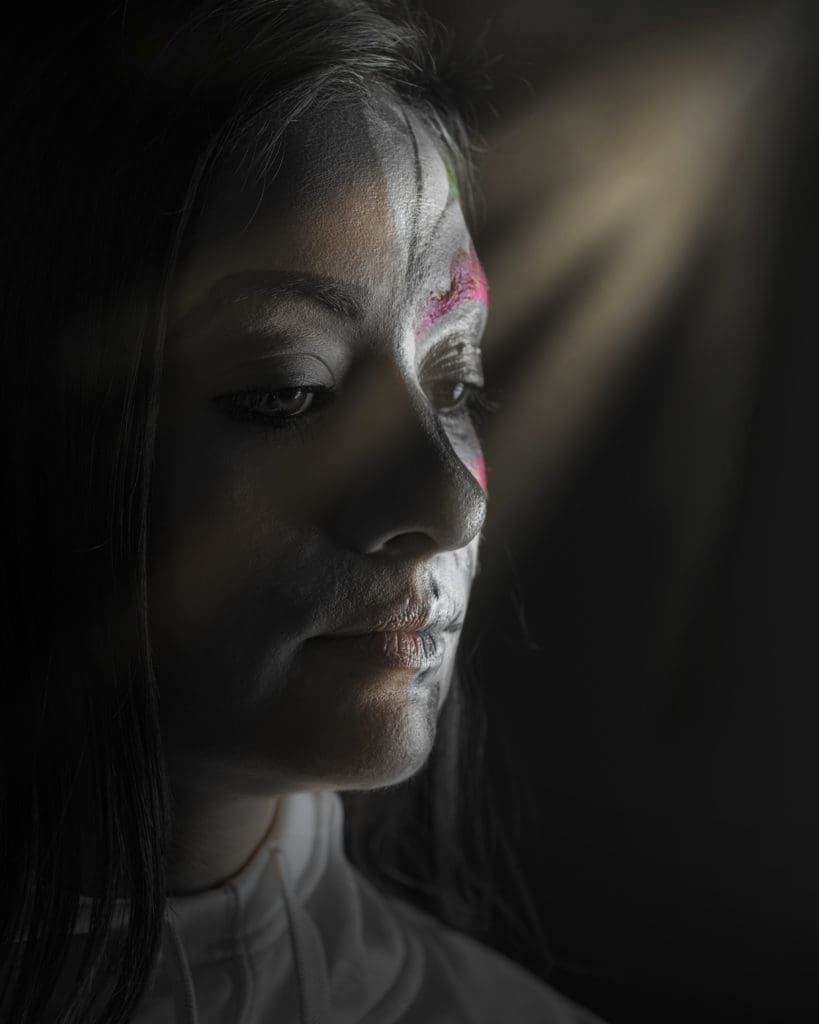
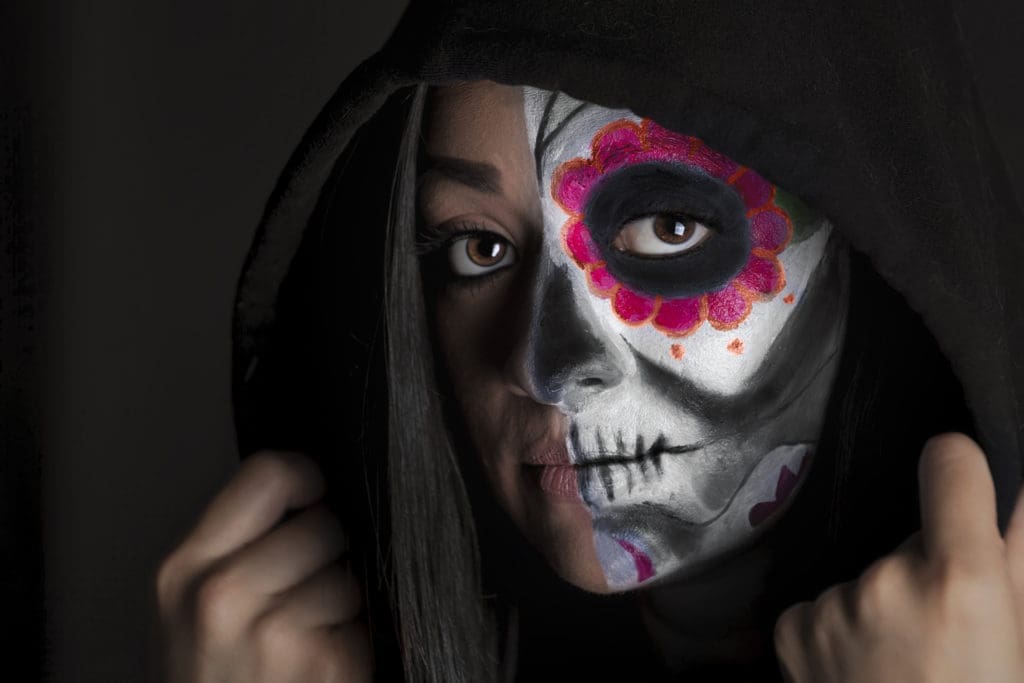
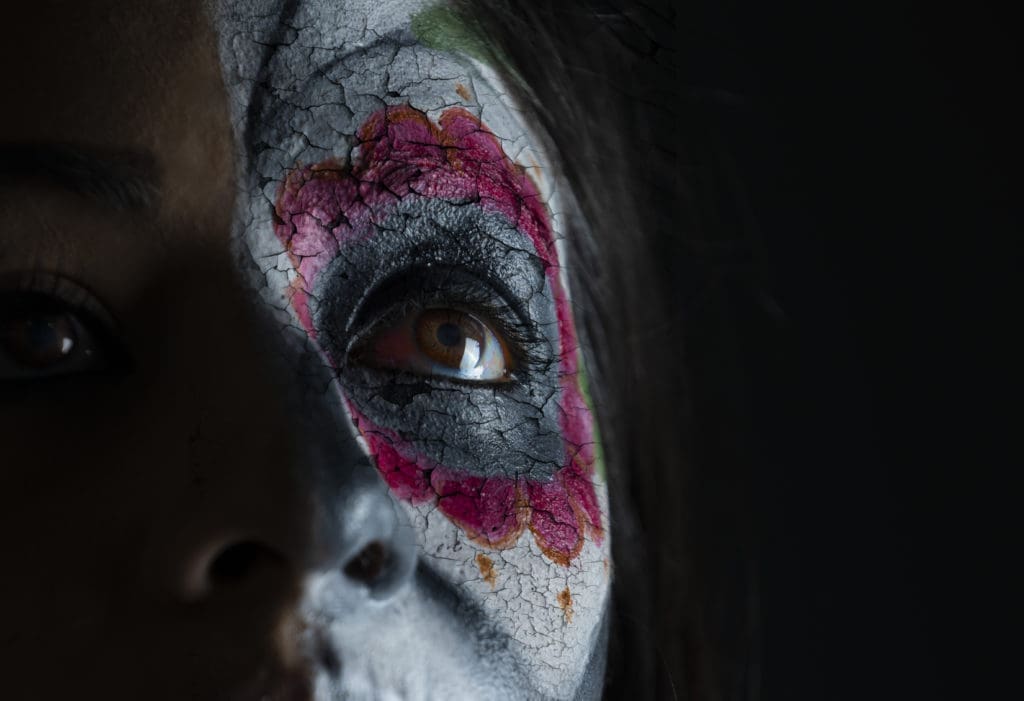
In addition to the sugar skulls and ofrendas, another symbol commonly associated with the Day of the Dead is the “La Catrina” or “Calavera Catrina.” La Catrina is an elegantly dressed female skeleton figure, often depicted wearing a fancy hat adorned with feathers and flowers. This iconic representation of death was created by the Mexican illustrator José Guadalupe Posada as a satirical commentary on the social divisions of his time. Today, La Catrina has become an integral part of the Day of the Dead imagery and serves as a reminder that death is an inevitable part of life, and that all individuals, regardless of social status, will ultimately face it.
The Day of the Dead is a unique and cherished tradition that celebrates the cycle of life and death while reinforcing the strong sense of family and community bonds in Mexican culture. Through the sweetness of sugar skulls and the vibrancy of colorful festivities, this annual celebration not only commemorates those who have passed away but also serves as a testament to the richness of Mexican heritage and the enduring power of love and remembrance.